
The Role of Emotion in Gambling
Emotion plays a significant role in how individuals approach betting decisions in casinos. The thrill of winning can provoke feelings of excitement and euphoria, often leading to a heightened sense of confidence. This emotional high can cloud judgment, causing players to take risks they might normally avoid. Conversely, losses can invoke feelings of frustration or despair, leading to chasing losses—a common behavior among gamblers. For example, this impulse can drive some players to explore online casinos australia in hopes of recovering their losses. Understanding these emotional responses is key to grasping why people make certain betting choices.

Additionally, emotions can create a cycle of reinforcement. When a player wins, the release of dopamine provides a pleasurable experience that encourages further betting. This reward system can establish a strong emotional attachment to gambling, making it difficult for individuals to step away even after significant losses. Recognizing the impact of emotions on decision-making can help gamblers become more aware of their behaviors and potentially improve their betting strategies.
Cognitive Biases in Betting Behavior
Cognitive biases also significantly influence how players make betting decisions. One common bias is the gambler’s fallacy, where players believe that past outcomes will affect future results. For instance, a player may think that a slot machine is “due” for a payout after a series of losses. This flawed thinking can lead to misguided decisions, often resulting in increased betting amounts in hopes of recouping prior losses.
Another cognitive bias is the illusion of control, where gamblers believe they can influence the outcome of a game through their skills or strategies. This belief is especially prevalent in games like poker or blackjack, where players feel their decisions can sway the game in their favor. Such biases often lead to overconfidence and can encourage players to engage in riskier bets than they would under more rational considerations.
The Influence of Social Factors on Gambling Choices
Social factors significantly impact gambling behaviors and decisions. For many, betting can be a social activity, where individuals are influenced by peers or the atmosphere of the casino. The presence of friends or the excitement of a crowded environment can enhance one’s desire to participate and take risks. This social influence can create a sense of belonging, making the gambling experience more appealing.
Furthermore, the role of advertising and marketing cannot be overlooked. Casinos often employ various strategies to attract players, such as promotions or free bets. These tactics tap into social proof, where individuals are more likely to engage in betting if they see others doing so. This phenomenon can lead to impulsive betting decisions, driven by the desire to fit in with a group or to take advantage of perceived opportunities.
The Effects of Environment on Decision-Making
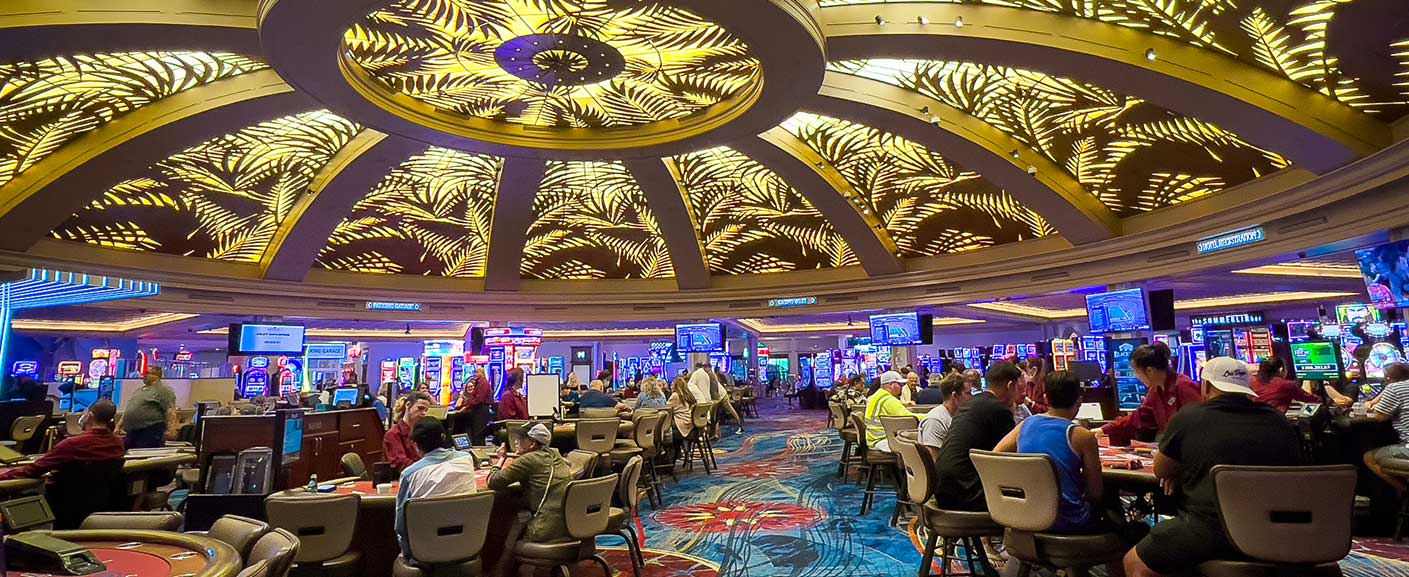
The physical environment of a casino also plays a crucial role in shaping betting decisions. Elements such as lighting, sound, and layout are strategically designed to create an exhilarating atmosphere that keeps players engaged. The sounds of slot machines and the vibrant colors are specifically chosen to stimulate excitement and prolong the gaming experience.
Moreover, the layout of casinos encourages exploration and continuous play. Studies have shown that when gamblers are placed in environments where they have easy access to games, they are more likely to increase their betting. This understanding pushes casinos to create a maze-like structure where players feel compelled to explore, often leading to impulsive betting and extended time spent gambling.
Understanding Responsible Gambling and Support Resources
As the psychology behind casino betting decisions becomes clearer, the importance of responsible gambling practices grows. Awareness of the emotional and cognitive factors that drive betting decisions empowers individuals to make more informed choices. Recognizing the signs of problematic gambling can aid players in seeking help or establishing limits before issues arise.
Resources for responsible gambling are readily available for those who need them. Casinos often provide access to support services, offering information on self-exclusion programs and counseling services. Furthermore, educating oneself about the psychological aspects of gambling can lead to healthier habits and a more enjoyable gaming experience, minimizing the risk of developing negative behaviors associated with betting.