
Exploring the cultural significance of gambling across different societies
The Historical Context of Gambling
Gambling has a rich history that dates back thousands of years, woven into the fabric of human civilization. Early forms of betting can be traced to ancient China, where records show the use of dice and betting games as far back as 2300 BC. Similarly, ancient Romans used gambling for entertainment and decision-making, further illustrating its integral role in society. These historical practices reflect more than mere entertainment; they are deeply tied to cultural rituals and societal norms. Today, many people enjoy visiting an offshore casino as part of their gaming experience.
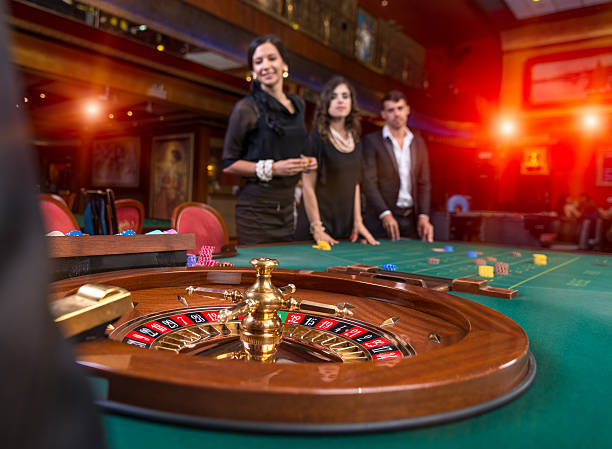
As societies evolved, so did their attitudes toward gambling. In many cultures, it became a common pastime associated with social gatherings, fostering community spirit and interaction. Whether through friendly wagers or large-scale events, gambling facilitated connections among people, showcasing its cultural significance across various epochs and locations.
Gambling in Modern Societies
In contemporary times, gambling has transformed significantly, particularly with the advent of technology. Online casinos and sports betting have surged in popularity, reshaping how individuals engage with gambling. Despite its evolution, the core cultural values remain: entertainment, competition, and the thrill of chance. In many societies, gambling is viewed as a legitimate form of recreation, often accompanied by large-scale events such as poker tournaments and sports betting days.
Moreover, modern societies grapple with the implications of gambling, balancing its economic benefits with potential social drawbacks. Discussions around responsible gambling highlight the need for awareness and education, underscoring the complex relationship between culture and this age-old practice.
The Role of Gambling in Cultural Identity
Gambling often plays a significant role in defining cultural identity, especially in communities where it is a traditional activity. For example, in the Native American tribes, gambling has historical roots linked to social and economic empowerment. Tribes establish casinos as a means of financial independence and cultural preservation, enabling them to maintain their heritage while participating in modern economies.
Similarly, in various Asian cultures, gambling is intertwined with festivals and celebrations, reflecting shared values and community ties. Games like mahjong and poker are not merely pastimes; they symbolize unity and cultural pride, showcasing how gambling transcends mere chance to become a vessel for cultural expression.
Gambling Laws and Societal Perspectives
The cultural significance of gambling is also reflected in the differing legal frameworks across societies. In some countries, gambling is heavily regulated or outright banned, while in others, it flourishes in a myriad of forms. The legal status often mirrors societal attitudes; in regions where gambling is embraced, it serves as a source of tourism and revenue, whereas in conservative societies, it may be viewed with skepticism or moral disapproval.
These contrasting perspectives illustrate the multifaceted nature of gambling as a cultural phenomenon. They invite discussions about ethics, responsibility, and the balance between personal freedom and societal welfare, making gambling a topic of ongoing relevance in various cultural contexts.

Promoting Safe Gambling Practices
In today’s digital landscape, where gambling is more accessible than ever, promoting safe practices has become paramount. Websites dedicated to responsible gambling emphasize the importance of education and awareness. They offer guidance on how to enjoy gambling responsibly, helping individuals make informed choices while minimizing risks associated with gambling activities.
Additionally, the focus on user safety fosters a supportive environment where individuals can engage with gambling without compromising their well-being. By prioritizing transparent communication and accessible resources, these platforms contribute to a balanced perspective on gambling in modern society.